From visitor to loyal customer
Why a shopping app of your own is becoming the retention engine of eCommerce, with data on mobile, app conversion and push, and the BBQuality and DeOnlineDrogist.nl cases.
A platform from 1995 that was never rebuilt for omnichannel, personalisation and per-product data. Why technical debt is a brake on growth.
While security experts warn that some online stores need to go offline, stores on NextChapter Ecommerce notice nothing. What your architecture does on a bad day.
Anyone starting an online store picks a platform first. The payment provider, financing and customer data follow from that choice. What does that mean for banks and retailers?
137 outages since January 2025. What an uptime of 98.28% means for your revenue, and why your own infrastructure matters.
Lots of demos, a full pipeline and still a low close rate. Why the problem usually lies in the sales process, not in product or price.
Why SaaS companies that open a new market with one country manager are left with a thin pipeline after six months.
Static filters and a ten-year-old recommendation widget are not personalisation. What real hyper-personalisation is.
One price, one pitch and one ICP for all of Europe: why tech companies that expand this way get stuck, and what does work.
After more than 500 Reskyt demos, we heard one objection most often: ‘I never use shop apps myself.’ Why that is the most dangerous fallacy in eCommerce.
Articles by our team. Most first appeared on LinkedIn, in Dutch.
Results of online stores, by goal and by technology. Always named, and with the store’s permission.
New technologies, people, markets and milestones. Also of interest to tech partners who want to see where we’re active.
Follow us on LinkedIn →Fozzels showed how a team of 8 people manages 200,000 products; Reskyt how to launch an app without a custom project of €80,000 to €100,000.
With Cervito’s AI sales assistant, we help online stores with advice in the chat, day and night.
At IFEMA Madrid we spoke to retailers about AI product content, omnichannel commerce and apps. Reskyt had its own stand.
After a successful collaboration, Maria Luisa now leads our relationships with agencies worldwide: existing partners and new agencies.
For the technologies we represent, 418 deals are in the negotiation and signing phase, together worth a potential ARR of millions of euros. Our goal: 800.
The fashion house with 10 shops now runs its online store and shops as one omnichannel operation.
1,100 conversations with eCommerce brands about their challenges, and the technology that fits them.
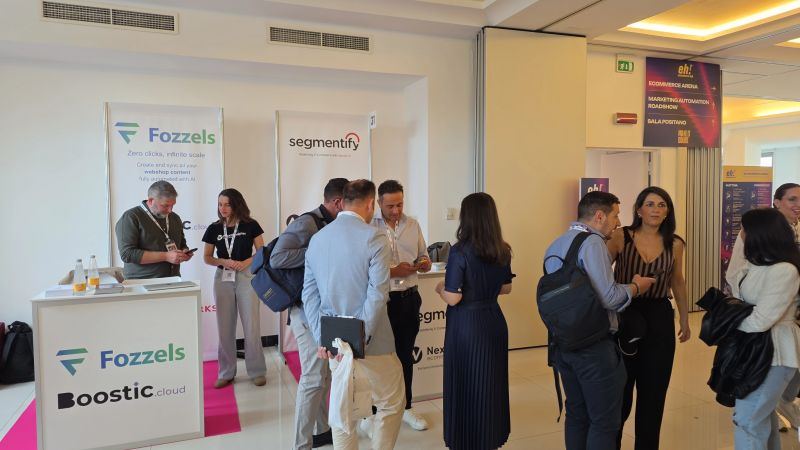
Together with Segmentify, NextChapter Ecommerce, Fozzels and Boostic, at the 12th edition of southern Italy’s biggest eCommerce event.
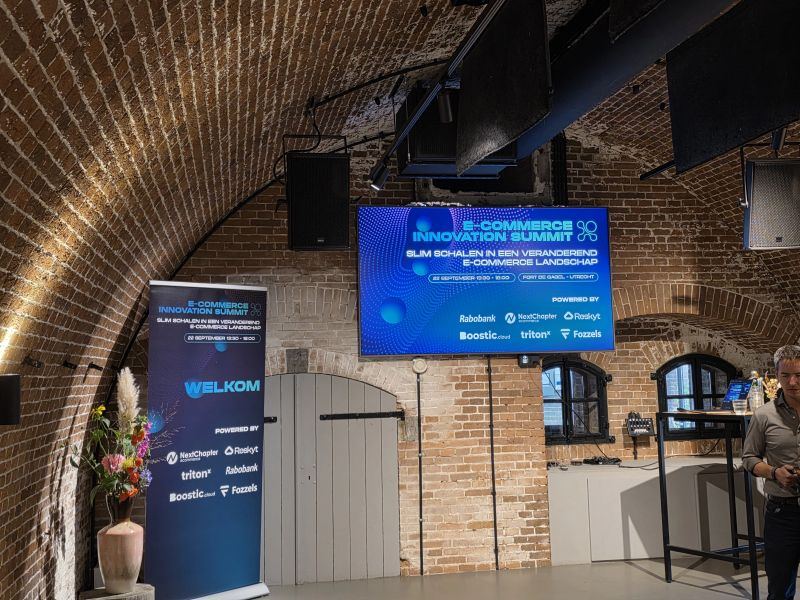
At the third edition, organised by NextChapter Ecommerce with Rabobank, tritonX, Fozzels and Reskyt, we were there with four technologies.
From fashion and B2B to pharma and beauty, built from scratch. Retention 100%, zero churn.
In more than 15 countries and 6 core markets, for Segmentify, Reskyt, NextChapter Ecommerce, Fozzels and Boostic.
With Fozzels and Segmentify, at Belgium’s most important eCommerce event.
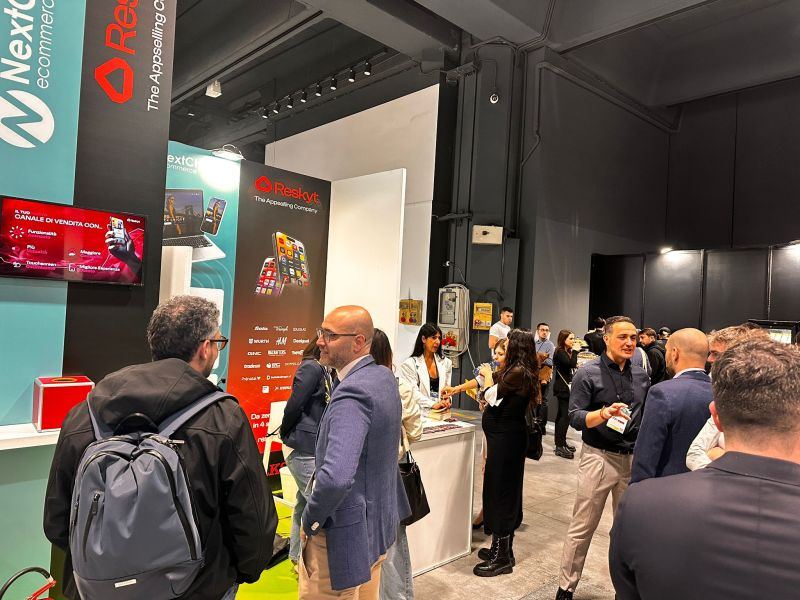
With Reskyt for the second year at Netcomm Forum, and with NextChapter Ecommerce for the first time on the Italian market.
A complete suite with CMS, PIM, OMS and marketplaces, with replatforming in about two months.
Our activities in Colombia are led by Mariana García Salazar.
At stand N6, our Sharkers showed how an online store becomes a native app without rebuilding the tech stack.
Our active pipeline grew to more than €2 million, and the team grew from 16 to 21 people.
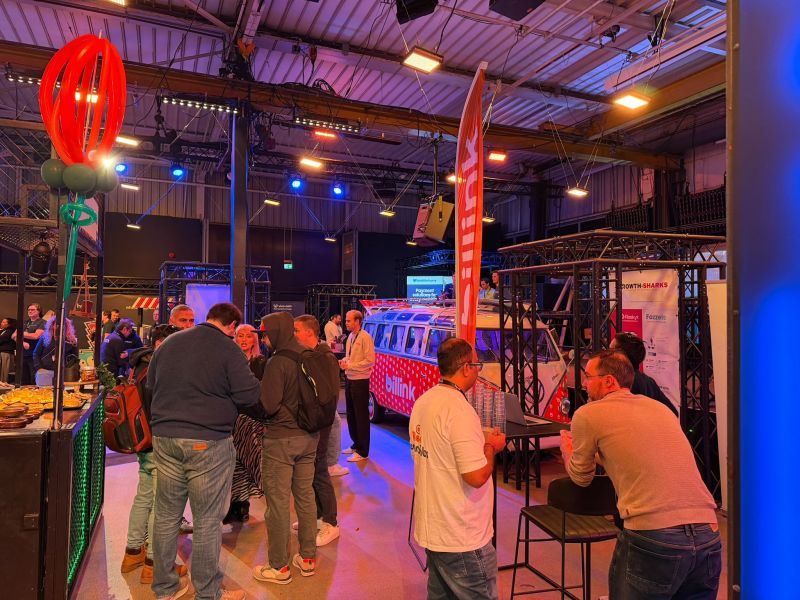
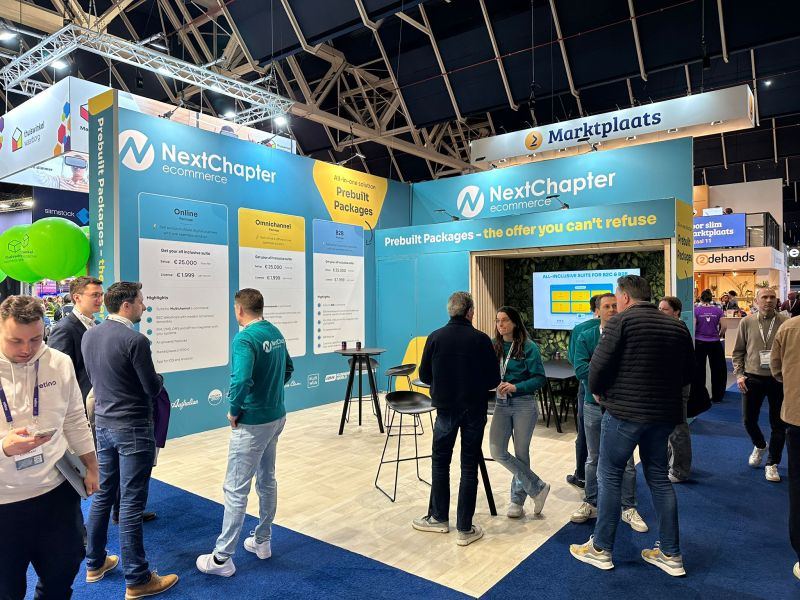
At the major eCommerce trade shows in Europe, we’re there with the technologies we represent. For online stores to see them live, for tech partners to see how we position their brand.
Short, clear explanations of the terms you keep coming across in eCommerce.
An online store’s own iOS and Android app, with push notifications on the customer’s home screen.
More on this →All the ways you keep a customer actively engaged, from personal recommendations to push notifications.
More on this →Product combinations put together automatically for each visitor, to increase order value.
More on this →A share of your visitors that doesn’t see a feature, so you can fairly measure the real effect.
More on this →Generative Engine Optimization: structuring your content so that AI search engines such as ChatGPT and Google AI Overviews use and recommend it.
More on this →The average amount per order, known as average order value (AOV).
Cost per order: you pay per order a channel delivers, not per click or per month.
More on this →Shop, online store, app and other channels work as one, with the same stock, prices and customer data.
More on this →Order Management System: the system that manages orders and stock across shops, warehouses and suppliers.
More on this →Customer lifetime value: the total revenue a customer brings in over the whole relationship with your online store.
More on this →An assistant in your online store’s chat that advises visitors based on your live catalogue and puts products straight into the cart.
More on this →An extra field in your product feed that lets you group products for your campaigns, for example by margin or return.
More on this →A message from your app that appears straight on your customer’s phone home screen, at no cost per message.
More on this →Progressive web app: a website that behaves like an app, but isn’t in the App Store or Google Play.
More on this →Stock keeping unit: one unique product or product variant in your range, such as a T-shirt in size M and the colour blue.
More on this →A file with all your products, prices and stock that Google Shopping, Meta and other channels use for your ads.
More on this →By structuring your information so that AI can easily understand and cite it. Give a short, direct answer on every page to the questions buyers ask, cite concrete figures with a source, and keep your product data complete and structured with attributes and FAQs. That’s called generative engine optimization, or GEO.
ROAS (return on ad spend) is the revenue per euro of ad budget: €5,000 revenue on a €1,000 budget is a ROAS of 5. ROI (return on investment) looks at profit after all costs, including purchasing, margin and shipping. So a high ROAS can still mean a loss if your ads mainly sell low-margin products.
Start where visitors drop off. If they can’t find what they’re looking for, better search and personal recommendations help. If they hesitate, advice helps, for example from an AI sales assistant. If they don’t come back, your own channel such as a shopping app helps. Measure every change with a control group, so you know what really works.
Choose based on your biggest bottleneck, not on features. First decide which number you want to improve, such as conversion, order value or repeat purchases. Then check whether the technology works with your eCommerce platform, how quickly it goes live and how you measure the result. Always ask for cases from comparable online stores, with names and figures.